Membrane Filtration Solutions for Textile & Dyeing Industries: Reducing Effluent Load and Improving Water Reuse
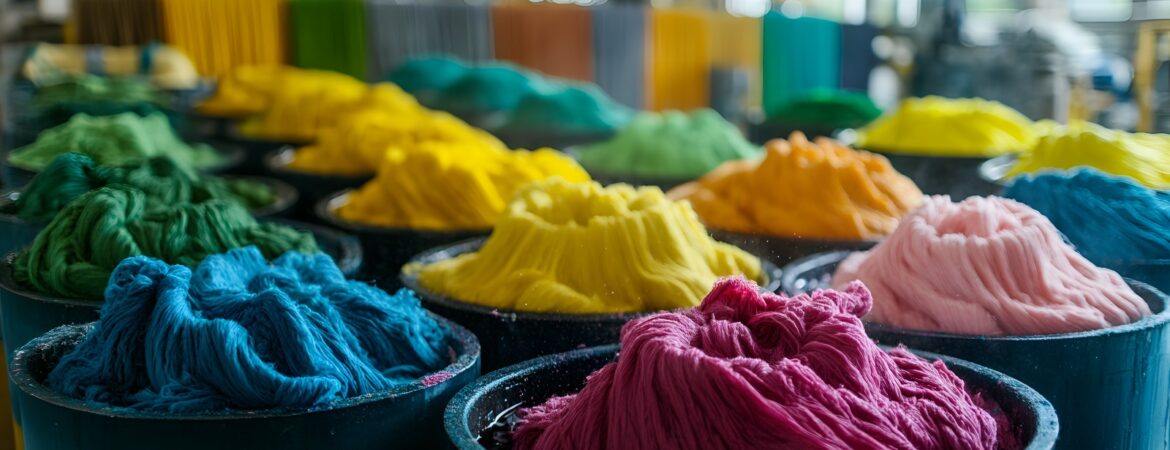
The textile and dyeing industry faces an urgent environmental challenge: massive water consumption coupled with heavily polluted effluent discharge. A single textile processing unit can consume up to 200 liters of water per kilogram of fabric, generating wastewater laden with dyes, chemicals, salts, and organic compounds. As environmental regulations tighten and water scarcity intensifies, membrane-based wastewater treatment for textile industry has emerged as a game-changing solution.
The Textile Wastewater Challenge
Textile dyeing operations produce some of the most complex industrial effluents. The wastewater contains intense color, high chemical oxygen demand (COD), suspended solids, heavy metals, and toxic chemicals. Traditional treatment methods often struggle to meet discharge standards while offering limited potential for water recovery. This is where advanced water reuse solutions using industrial membranes revolutionize the approach to sustainable textile manufacturing.
Multi-Barrier Membrane Approach
Effective textile wastewater treatment requires a staged membrane strategy, each targeting specific contaminants. Adimem Technologies has pioneered integrated membrane systems that address the full spectrum of textile effluent challenges.
Ultrafiltration: The First Defense
Ultra filtration membranes for textile dyeing serve as the primary treatment stage, removing suspended solids, colloids, oils, and high molecular weight dyes. Operating at relatively low pressures (1-5 bar), UF membranes with pore sizes between 0.01-0.1 microns effectively clarify wastewater while retaining valuable chemicals that can potentially be recovered.
UF systems excel at handling fluctuating feed water quality—a common characteristic of textile operations where different processes run simultaneously. The robust nature of modern ultra-filtration membranes for textile dyeing ensures consistent performance even with challenging feed streams containing sizing agents, surfactants, and dispersed dyes.
Nanofiltration: Selective Separation
Nano filtration membranes for textile dyeing occupy the crucial middle ground between ultrafiltration and reverse osmosis. With molecular weight cut-offs ranging from 200-1000 Daltons, NF membranes selectively remove divalent salts, synthetic dyes, and moderate molecular weight organics while allowing monovalent salts to pass through.
This selectivity makes nano filtration membranes for textile dyeing particularly valuable for colour removal and salt separation. Industries can recover concentrated dye solutions for reuse while producing permeate suitable for process applications like rinsing and washing—achieving significant chemical savings alongside water conservation.
Reverse Osmosis: Final Polishing
Reverse osmosis membranes for textile dyeing deliver the highest purification level, removing dissolved salts, remaining dyes, and trace organics. RO permeate quality often matches or exceeds freshwater standards, enabling direct reuse in dyeing baths, boilers, and cooling systems.
As a leading industrial membrane manufacturer for textile dyeing, Adimem Technologies designs RO systems that withstand the harsh chemical environment of textile effluent, maintaining high rejection rates and extended membrane life despite challenging operating conditions.
Economic and Environmental Benefits
Implementing membrane-based wastewater treatment for textile industry delivers compelling returns:
Water Recovery: Modern membrane systems achieve 70-85% water recovery rates, dramatically reducing freshwater intake and wastewater discharge volumes.
Chemical Recovery: Concentrated retentate streams from NF and RO processes can be processed to recover valuable dyes, auxiliary chemicals, and salts—converting waste into resource.
Compliance Assurance: Membrane systems reliably meet stringent discharge standards for color, COD, total dissolved solids, and heavy metals, avoiding regulatory penalties and production shutdowns.
Zero Liquid Discharge Integration
Progressive textile manufacturers are embracing Zero Liquid Discharge (ZLD) concepts, where membrane systems form the core treatment train. Adimem Technologies provides comprehensive ZLD solutions combining UF, NF, and RO technologies with evaporation and crystallization systems, eliminating wastewater discharge entirely while maximizing resource recovery.
Future-Ready Textile Manufacturing
As the textile industry navigates tightening environmental norms and water stress, industrial membrane manufacturer for textile dyeing partnerships become strategic necessities. Advanced membrane technologies not only ensure regulatory compliance but position textile manufacturers as environmental stewards capable of sustainable growth.
By embracing comprehensive membrane-based wastewater treatment for textile industry, dyeing operations transform their greatest environmental liability into an opportunity for resource conservation, cost reduction, and competitive advantage in an increasingly eco-conscious marketplace.