

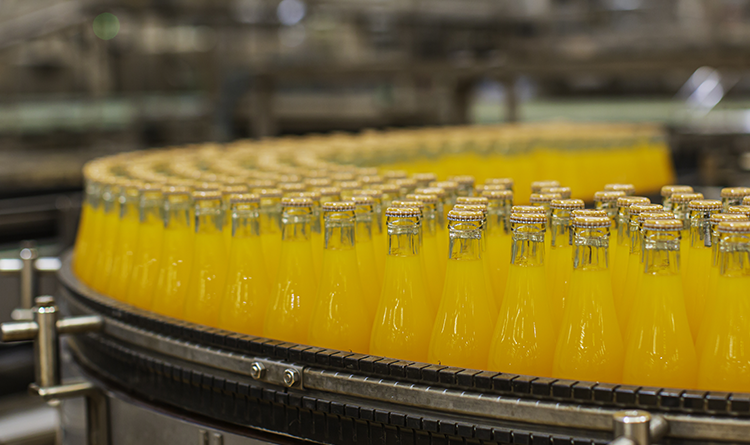
The beverages and brewing industry has undergone a remarkable transformation in recent decades, driven by advances in membrane filtration technology. As consumers increasingly demand higher quality products with extended shelf life and minimal additives, manufacturers are turning to complex filtration solutions. Among these, microfiltration and ultrafiltration membranes have emerged as game-changers, revolutionizing how beverages are processed, clarified, and stabilized.
Understanding Membrane Filtration in Beverage Production
Membrane filtration operates on a powerful principle: selective separation. A microfiltration membrane for beverages typically features pore sizes of 0.1 to 10 microns, ideal for removing suspended solids, yeast, bacteria, and microorganisms without affecting flavour. Ultrafiltration membranes, with smaller pores (0.01 to 0.1 microns), remove proteins, colloids, and macromolecules while retaining essential salts and sugars.
This chemical-free technology aligns with today’s clean-label movement. By partnering with a reliable industrial membrane manufacturer for beverages and brewing, producers ensure consistent quality and operational efficiency.
Applications in the Brewing Industry
The brewing sector has particularly benefited from membrane filtration technology. Traditional beer clarification methods often involved diatomaceous earth filters or pasteurization, both of which presented challenges. Diatomaceous earth created disposal issues, while heat pasteurization could compromise flavour compounds and aromatic profiles.
Microfiltration membranes solve these problems elegantly. They remove yeast and bacteria from beer without heat treatment, preserving the delicate flavor characteristics that craft brewers and large-scale producers alike strive to achieve. Cold sterile filtration using micro filtration membrane for beverages systems enables breweries to produce draft-quality products with extended shelf life, eliminating the need for preservatives or thermal processing.
Ultrafiltration finds its niche in protein stabilization and haze prevention. Beer haze, caused by protein-polyphenol complexes, has long plagued brewers. Ultrafiltration membranes selectively remove haze-forming proteins while retaining the beer’s body and mouthfeel, ensuring crystal-clear products that remain stable throughout their shelf life.
Wine Industry Innovations
Wine production has similarly embraced membrane technology. Microfiltration provides an alternative to traditional fining agents and depth filtration, offering gentler clarification that preserves wine’s complexity. Premium winemakers appreciate how membrane systems maintain aromatic compounds and phenolic structures that define wine quality.
Cross-flow microfiltration, offered by leading industrial membrane manufacturers for beverages and brewing like Adimem Technologies, allows continuous operation with minimal product loss. This efficiency becomes crucial during harvest season when processing volumes surge and time is of the essence.
Soft Drinks and Juice Processing
The soft drink and juice industries leverage both microfiltration and ultrafiltration for various applications. Microfiltration removes spoilage organisms and suspended particles, producing brilliantly clear beverages without heat treatment. This cold preservation technique maintains fresh flavor notes and heat-sensitive vitamins that would otherwise degrade during pasteurization.
Ultrafiltration plays a vital role in juice concentration and clarification. By removing pectins, proteins, and other macromolecules, ultrafiltration creates stable juice products with improved clarity and extended shelf life. The technology also enables the production of clarified juices without compromising nutritional value, as vitamins and minerals pass through the membrane along with water and sugars.
Dairy Beverage Applications: A Multi-Membrane Approach
The dairy industry represents one of the most sophisticated applications of membrane technology, utilizing a comprehensive suite of filtration methods to achieve precise control over product composition and quality.
Microfiltration (MF) serves as the foundation for bacterial removal, separating bacteria and spores from milk while retaining all native proteins. This process produces extended shelf-life milk products without the cooked flavour associated with UHT treatment, revolutionizing the dairy beverage sector by delivering fresh-tasting, safe products with minimal thermal impact.
Ultrafiltration (UF) has become indispensable for protein concentration and standardization. It concentrates milk proteins for high-protein drinks, smoothies, and Greek-style yogurt beverages, meeting consumer demand for functional beverages. The technology selectively retains proteins and fats while removing lactose and minerals, enabling manufacturers to create customized protein profiles for specific product formulations. UF membranes are essential for producing whey protein concentrates and standardizing milk protein content across production batches.
Nanofiltration (NF) offers a middle ground between ultrafiltration and reverse osmosis, providing precise control over mineral content and selective lactose removal. This technology has opened new possibilities in dairy processing, including the production of low-lactose dairy beverages for lactose-intolerant consumers, demineralization of whey for infant formula applications, and the reduction of bitterness in dairy products through selective ion removal. NF membranes allow manufacturers to fine-tune mineral profiles while concentrating specific dairy components.
Reverse Osmosis (RO) completes the membrane technology spectrum by concentrating dairy products through water removal while retaining all dissolved solids, proteins, lactose, and minerals. RO technology enables pre-concentration of milk before evaporation, significantly reducing energy costs in dairy processing. It facilitates the production of concentrated dairy bases for beverages and formulations, supports water recovery for reuse in processing facilities, and creates high-solids dairy ingredients with preserved nutritional integrity.
By integrating these complementary membrane technologies MF, UF, NF, and RO dairy manufacturers achieve unprecedented control over product composition, delivering beverages that meet specific nutritional targets, taste profiles, and shelf-life requirements while maintaining the natural benefits of dairy.
Economic and Environmental Benefits
Partnering with an experienced industrial membrane manufacturer for beverages and brewing delivers operational advantages: continuous operation, automated cleaning, reduced labor costs, and compact footprints. Environmental benefits include minimal waste, 95% recovery rates, and elimination of filter aids, reducing disposal costs and environmental impact.
Selecting the Right Membrane Solution
Choosing appropriate micro filtration membrane for beverages systems requires careful consideration of product characteristics, production volumes, and quality objectives. Membrane material, pore size distribution, and system configuration all influence performance. Polymeric membranes, including polyvinylidene fluoride (PVDF), polyethersulfone (PES), and ceramic materials, each offer distinct advantages for specific applications.
Adimem Technologies provides comprehensive membrane solutions tailored to the unique demands of beverage and brewing operations, ensuring optimal performance across diverse applications.
Conclusion
Membrane filtration has reshaped how beverages are processed across brewing, wine, dairy, and soft drink industries. These technologies eliminate the need for chemical additives and thermal processing while maintaining product integrity. For manufacturers seeking to balance quality, efficiency, and sustainability, membrane solutions offer a proven path forward in an increasingly competitive market.