

RO Membranes for Wastewater Treatment: Complete Guide
Industrial wastewater carries dissolved salts, organic load, and process contaminants that conventional treatment alone cannot remove. Reverse osmosis membranes for wastewater treatment have become the standard solution for plants that need to meet discharge norms, recover water for reuse, or move toward zero liquid discharge. Adimem Technologies has built its RO membrane systems specifically to address these challenges. This guide breaks down how RO fits into a treatment train, what affects performance, and how to choose the right membrane for your effluent.
How RO Membranes Work in Wastewater Treatment
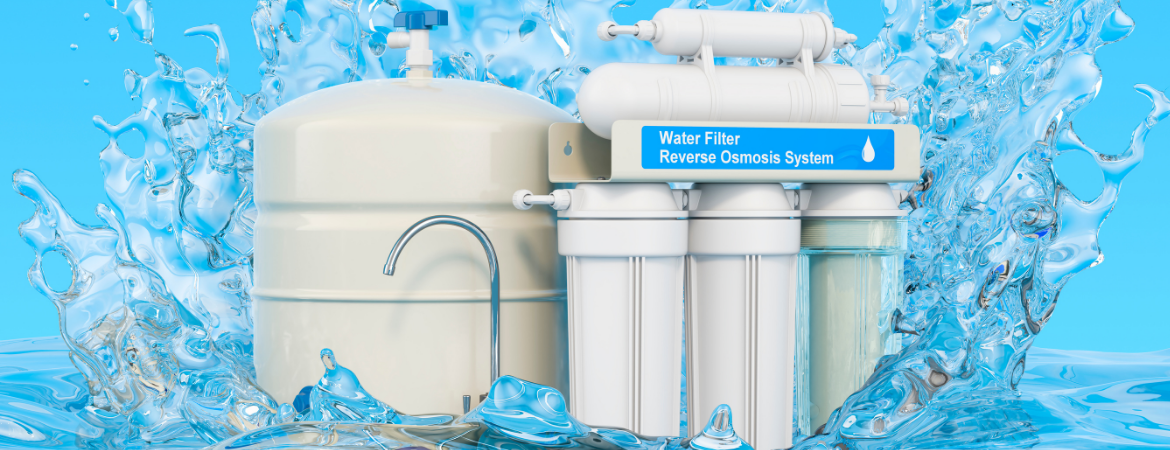
RO membranes work in wastewater treatment by applying pressure to push water molecules through a semi-permeable barrier while rejecting dissolved salts, heavy metals, and organic molecules. Feed water is forced through spiral-wound elements, separating clean permeate from a concentrated reject stream. The result is high-purity permeate suitable for reuse and a reduced-volume concentrate that downstream units can process further.
The RO Membrane Wastewater Treatment Process
A typical RO membrane wastewater treatment process doesn’t start at the membrane — it starts with pre-treatment. Equalization evens out flow and load variations, followed by coagulation and flocculation to remove suspended solids. Water then passes through ultrafiltration to protect the RO stage from fouling before reaching the RO membranes themselves. For high-strength effluent, RO permeate can feed into thermal units like MEE and ATFD, pushing recovery further and cutting disposal volumes. This layered approach protects membrane life while maximizing water recovery.
RO Membrane for Industrial Effluent Treatment and ETP Applications
Choosing the right RO membrane for industrial effluent treatment depends on feed characteristics. Effluent from dye houses, chemical units, pharma plants, and agrochemical facilities often carries high COD and TDS, which demands membranes built for fouling resistance and chemical tolerance. RO membrane for ETP applications typically means handling variable, high-strength waste streams — often with COD above 10,000 ppm and TDS above 25,000 ppm — where consistent rejection matters as much as flux.
RO Membrane for ZLD Systems
A RO membrane for ZLD system setup plays a central role in pushing recovery beyond conventional limits. In zero liquid discharge, RO reduces the volume of water that thermal evaporators need to process, directly cutting energy costs. Membranes designed for ZLD duty need to handle high recovery rates, resist scaling from concentrated brine, and support automated cleaning-in-place protocols to sustain performance over long operating cycles.
Reverse Osmosis for Industrial Wastewater Recycling
Beyond compliance, reverse osmosis for industrial wastewater recycling lets facilities close the loop on water use — recovering permeate for boiler feed, cooling towers, or process reuse. This reduces freshwater intake and wastewater discharge simultaneously, which matters in water-stressed regions and industrial zones with tightening discharge norms.
Understanding RO Membrane Fouling and Rejection Rate
RO membrane fouling in wastewater treatment is the most common performance challenge — organic matter, biofilms, and scale build up on membrane surfaces and reduce flux over time. Effective pre-treatment, anti-scalant dosing, and properly scheduled CIP cycles limit fouling and extend membrane life. Equally important is RO membrane rejection rate, which determines how effectively dissolved salts and contaminants are removed; high-performance membranes typically sustain rejection rates of 99% and above under standard test conditions.
Adimem Technologies: RO Membrane Manufacturer in India
For plants sourcing membranes, working with an established RO membrane manufacturer in India matters for consistency and support. Adimem Technologies, headquartered in Mumbai, is among India’s few fully in-house membrane manufacturers, producing the FLUXA™ RO series across low-energy, brackish water, seawater, and heat-sanitisable configurations. As a Mumbai-based RO membrane supplier for ETP and ZLD applications, the company combines membrane manufacturing with complete system design covering everything from membrane selection to commissioning and O&M support making it a practical choice for industries seeking a dependable industrial RO membrane manufacturer in India for effluent treatment and wastewater recycling projects.